Over the years, Nike SB has consistently pushed to introduce entirely new models, but sometimes nothing beats reworking the iconic silhouettes from its main line. There’s always something exciting about seeing classics like the Dunk, Blazer, and Bruin reimagined into staples of the SB lineup, while special releases—such as the Jordan 4 and Air Max—receive exclusive skate-ready reissues.
The latest silhouette to join the roster is the Nike SB Air Force 1. Originally designed as a basketball shoe, and the first to feature Nike Air technology, the AF-1 was quickly embraced by the East Coast hip-hop scene before becoming a global cultural staple. For this release, Nike even collaborated with New York skate filmer Johnny Wilson, dropping a 10+ minute promo video titled “Creased,” featuring a stacked SB team (Antonio Durao, Karim Callender, Cyrus Bennett, Troy Gipson, Ville Wester, and more) putting East Coast spots to the test.
In the past, Supreme released an SB version of the Air Force 2 and also stamped its logo on classic all-white and all-black Air Force 1s, but until now, there hasn’t been a true skate adaptation of the AF1. Given the weight of the silhouette’s legacy, expectations are naturally high.
Nike SB addressed performance by lowering the midsole to improve board feel, while reinforcing the stitching, suede panels, and toe cap for added durability. The AF-1 already feels like a substantial shoe, so with these SB-specific upgrades, anticipation is high. Read on to see how the Nike SB Air Force 1 performs.
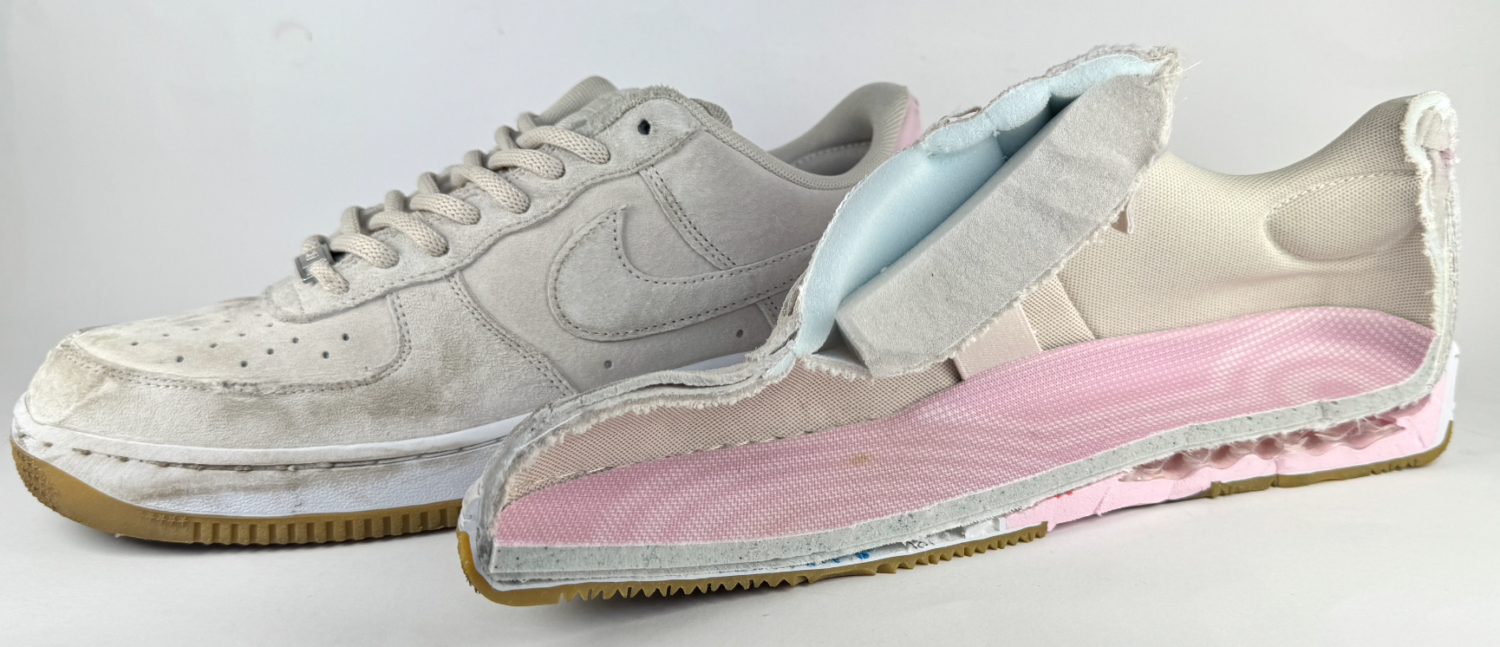
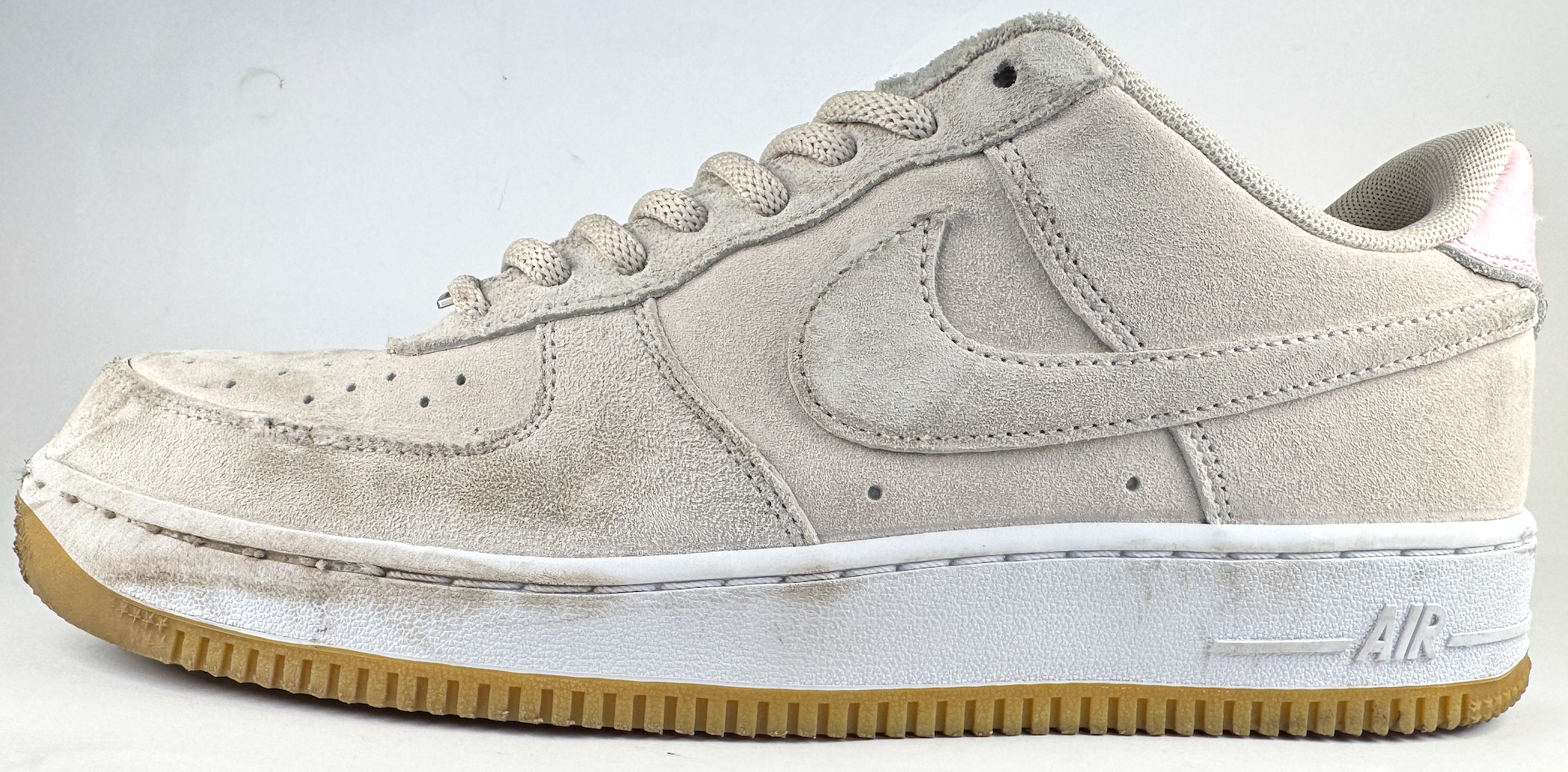
Overall, the durability of the Nike SB AF-1 is solid. In our 10-hour wear test, we focused primarily on the upper and outsole. Starting with the upper, the toe panel extends into the midfoot and rises directly from the sole, giving it generous volume, a big advantage for achieving a strong flick. However, that large exposed area also makes it more susceptible to abrasion. As expected, the double-stitched toe panel showed noticeable wear: the stitching tore in two spots, though the panel itself didn’t separate, and two holes developed in the first layer of the double-layered toe cap in the kickflip zone. On the plus side, the collar around the top lace loops, the lace area, and the Swoosh showed minimal signs of wear.
The cupsole sidewall showed no visible wear, while the outsole proved especially durable, with almost no signs of use after testing. Finally, although mostly cosmetic, the collar near the top lace loops did show some clear wear over time.
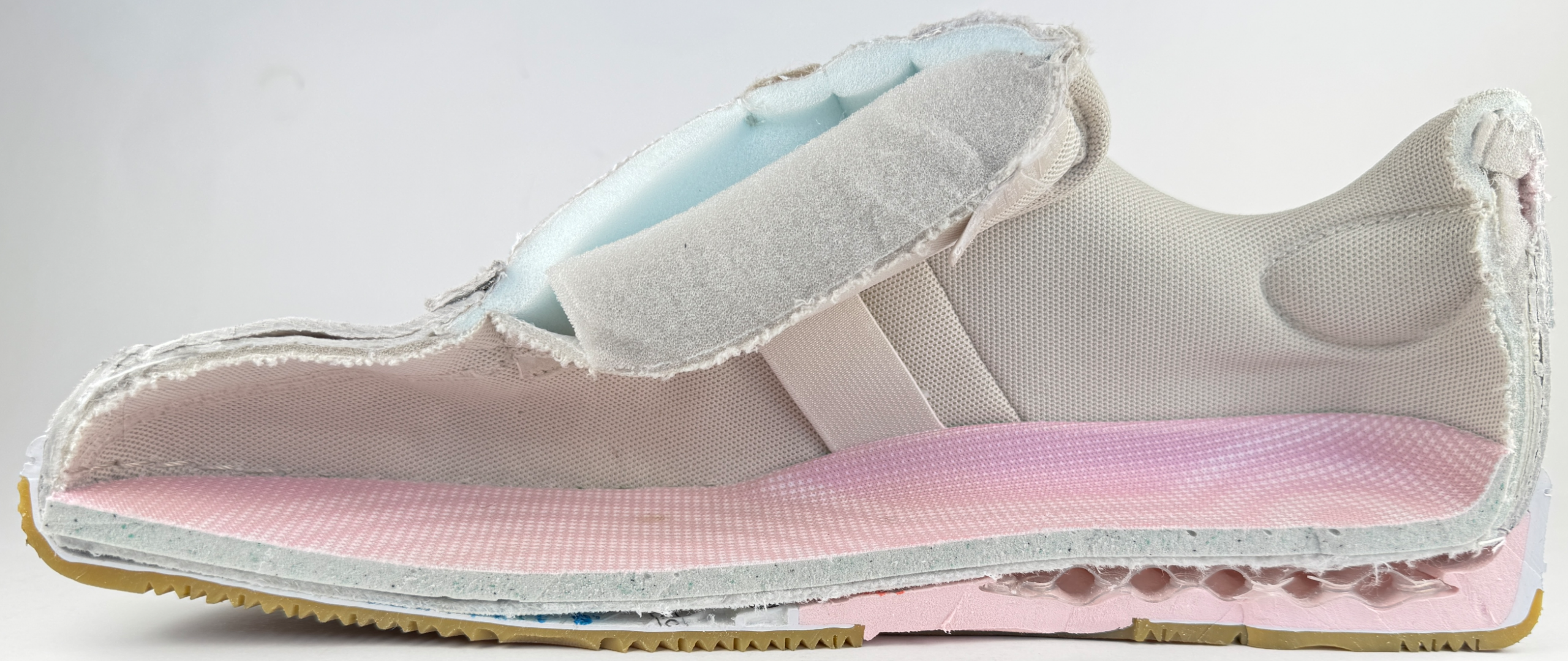
The sole construction of the Nike SB AF-1 is central to its cushioning performance, although from the outside it appears quite simple and only reveals its complexity when the shoe is cut open. Built as a cupsole, the outsole consists of multiple layers working together. The main cushioning elements are located in the heel and forefoot. A foam wedge in the heel is combined with a Nike Air unit, while the forefoot is kept very thin to maximize board feel.
One of the standout features of this setup is the foam paired with the Nike Air unit, which offers impressive resistance to compression. It feels firm yet responsive, absorbing repeated impacts without bottoming out or losing its shape over time. In addition, a molded insole provides an extra layer of step in comfort. Together, these elements create a cushioning system that feels stable, consistent, and well protected.
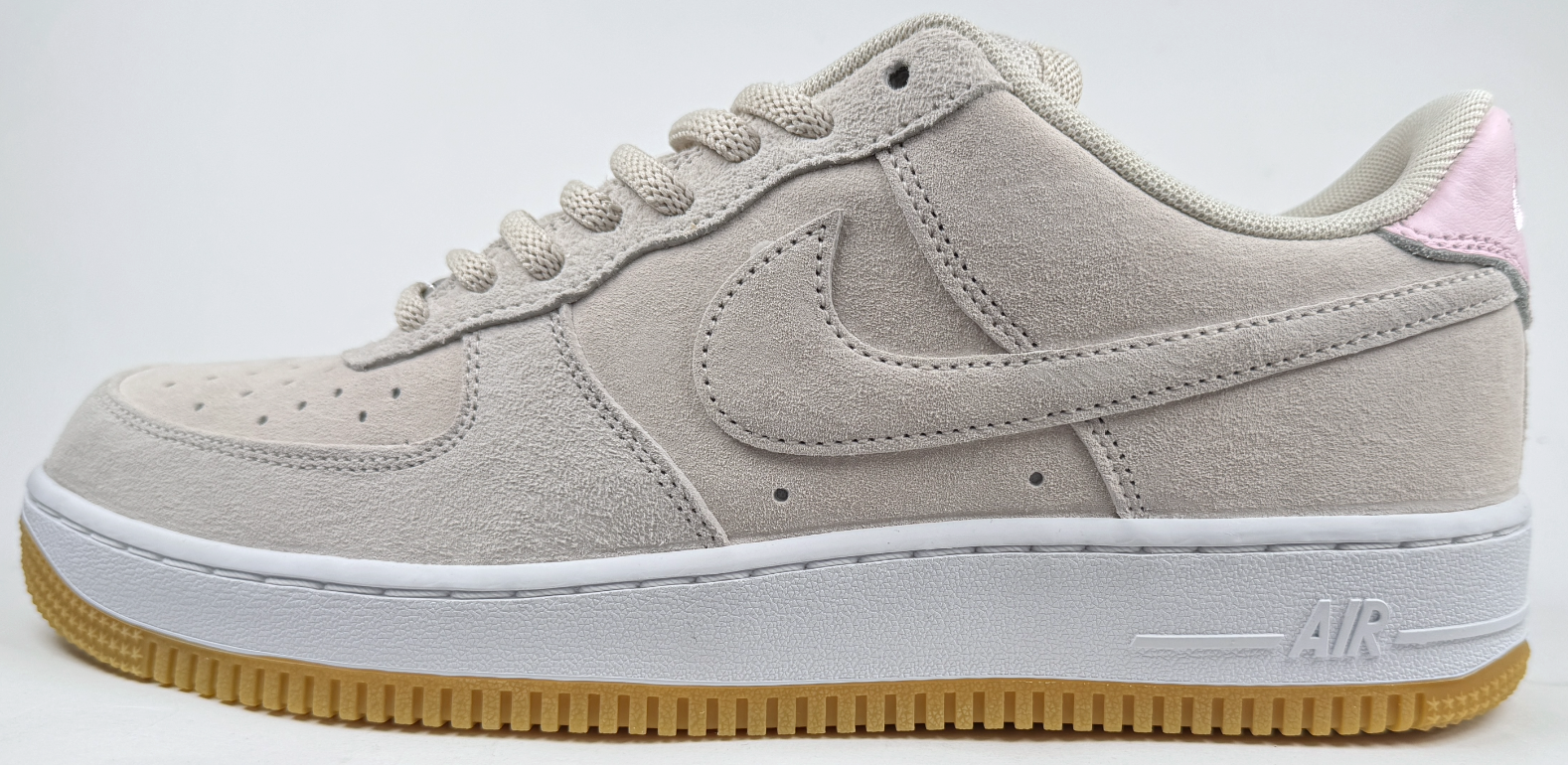
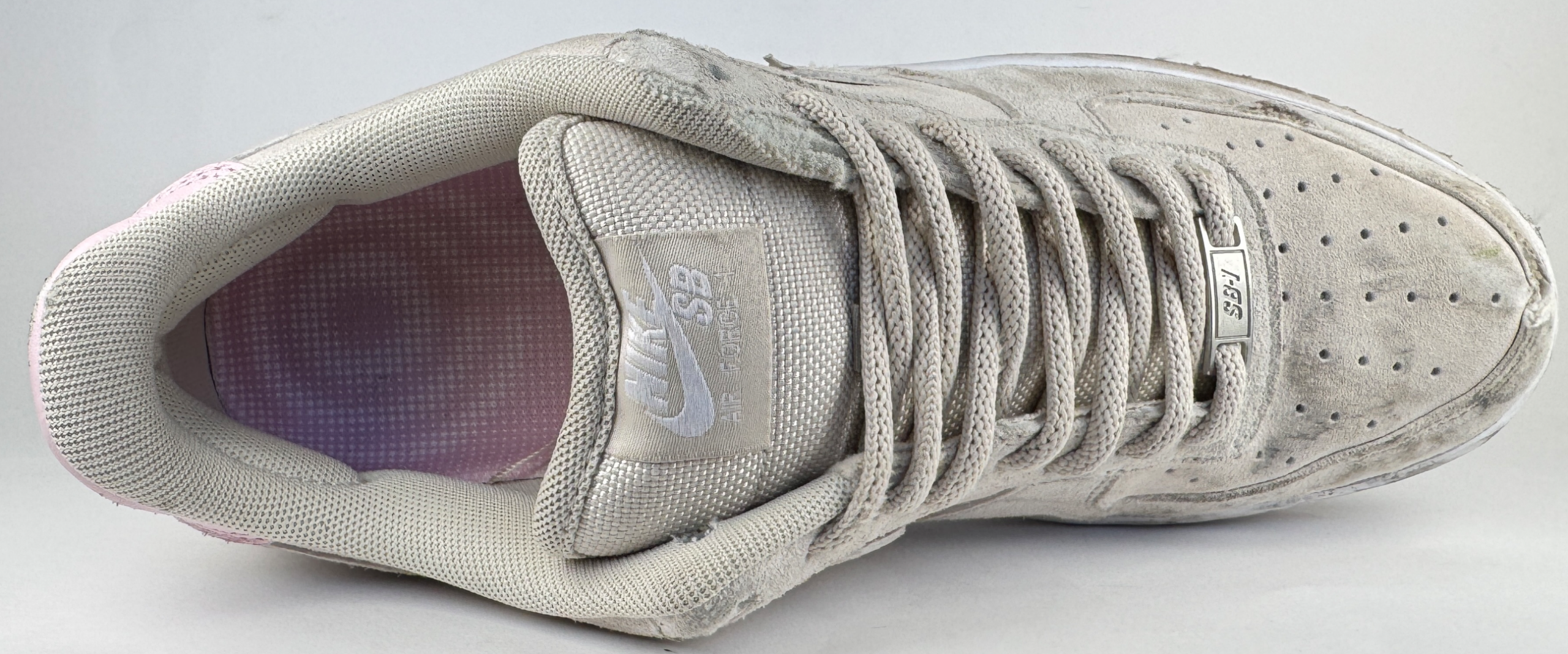
At first glance, the Nike SB AF-1 closely resembles the classic Air Force 1, offering a versatile and familiar look. The shape runs fairly straight through the midfoot and widens toward the forefoot, finishing with a rounded yet slightly pointed toe. As mentioned earlier, the toe design and its volume, combined with the suede material, create an excellent flick.
The tongue and heel feature a generous amount of foam, adding volume to the overall silhouette. From the side, the shoe appears somewhat bulky, while from a top down view it looks relatively slim.
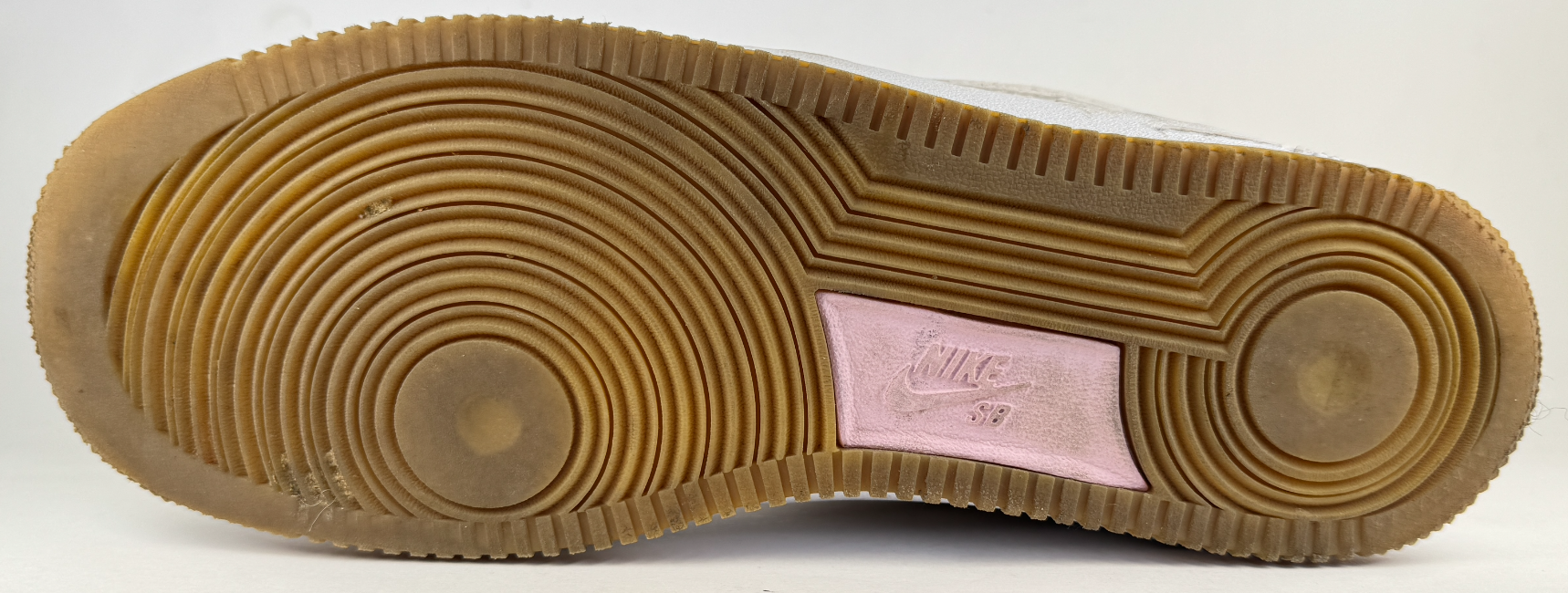
The board feel of the Nike SB AF-1 is solid and requires very little break in time, which is impressive given the stable sole and upper construction. The forefoot layers are thinned to improve contact with the board, but the sole itself remains relatively thick and firm. As a result, the board feel is strong, though it does not quite match the level of vulcanized or thinner cupsoles.
The grip, however, is exceptional. Not just for a cupsole, it even rivals some vulcanized models. Deep grooves in the tread pattern make the sole flexible from the first session, and when combined with the soft rubber outsole, it adapts well to the concave and provides excellent traction.
In terms of comfort, the shoe has a moderate weight, and the tongue straps help keep it securely in place. The padded tongue and collar lining protect the foot while contributing to a stable fit. The foot sits fairly deep in the shoe, which causes the collar opening to lightly touch the ankle. While this does not lead to blisters or pressure points, it is noticeable when first stepping in.
The Nike SB AF 1 incorporates several construction elements that work together to create a very stable foothold. Stability is especially strong in the midfoot and heel, while the forefoot feels slightly softer and more spacious.
Overall, the shoe offers a good fit, achieved through well placed padding that enhances both stability and comfort.
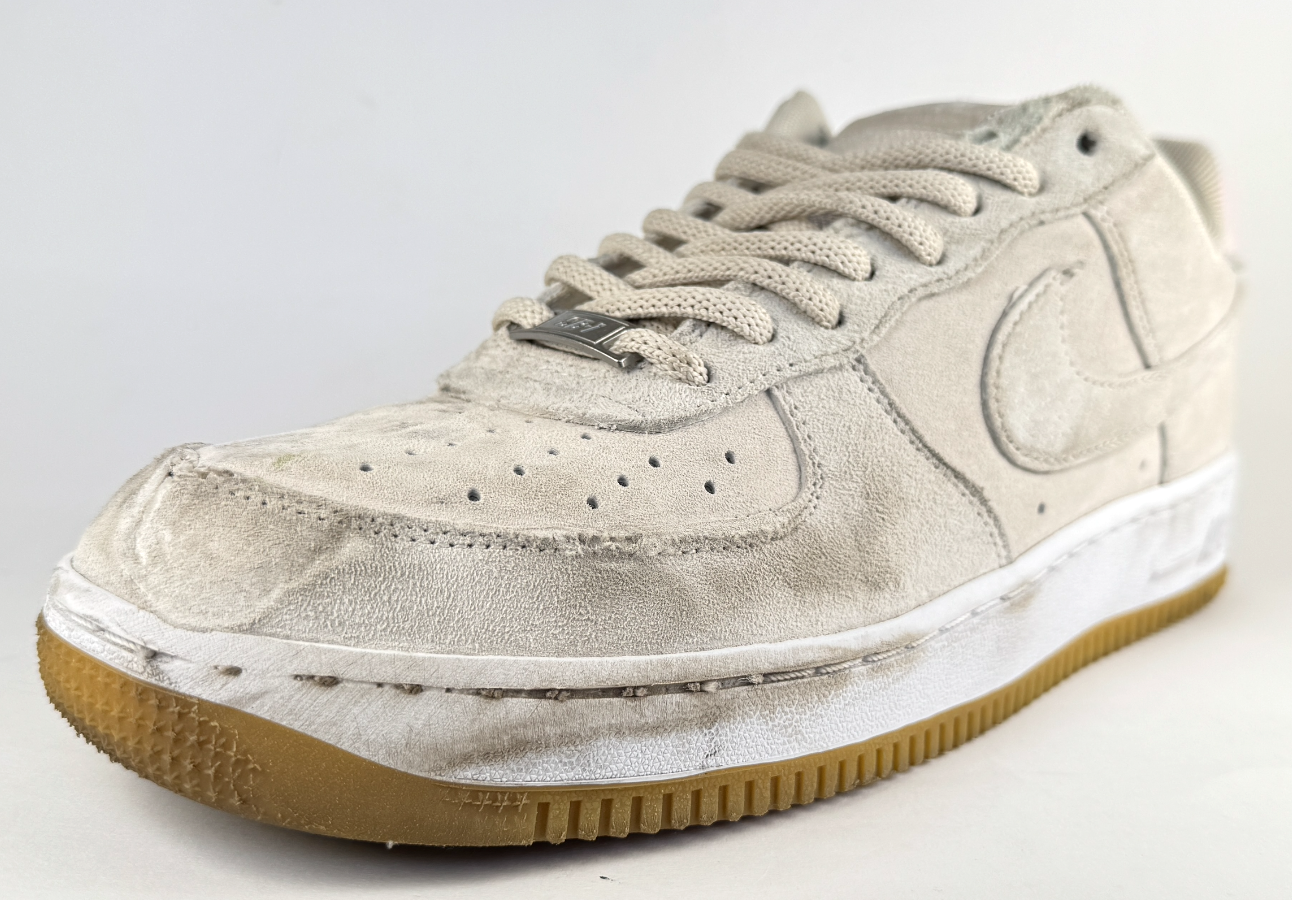
Nike SB revives a classic with the AF 1, delivering strong stability, excellent grip, and reliable cushioning, balanced by moderate durability and a slight pressure point around the ankle.